
Notifications
5 minutes, 48 seconds
-30 Views 0 Comments 1 Like 0 Reviews
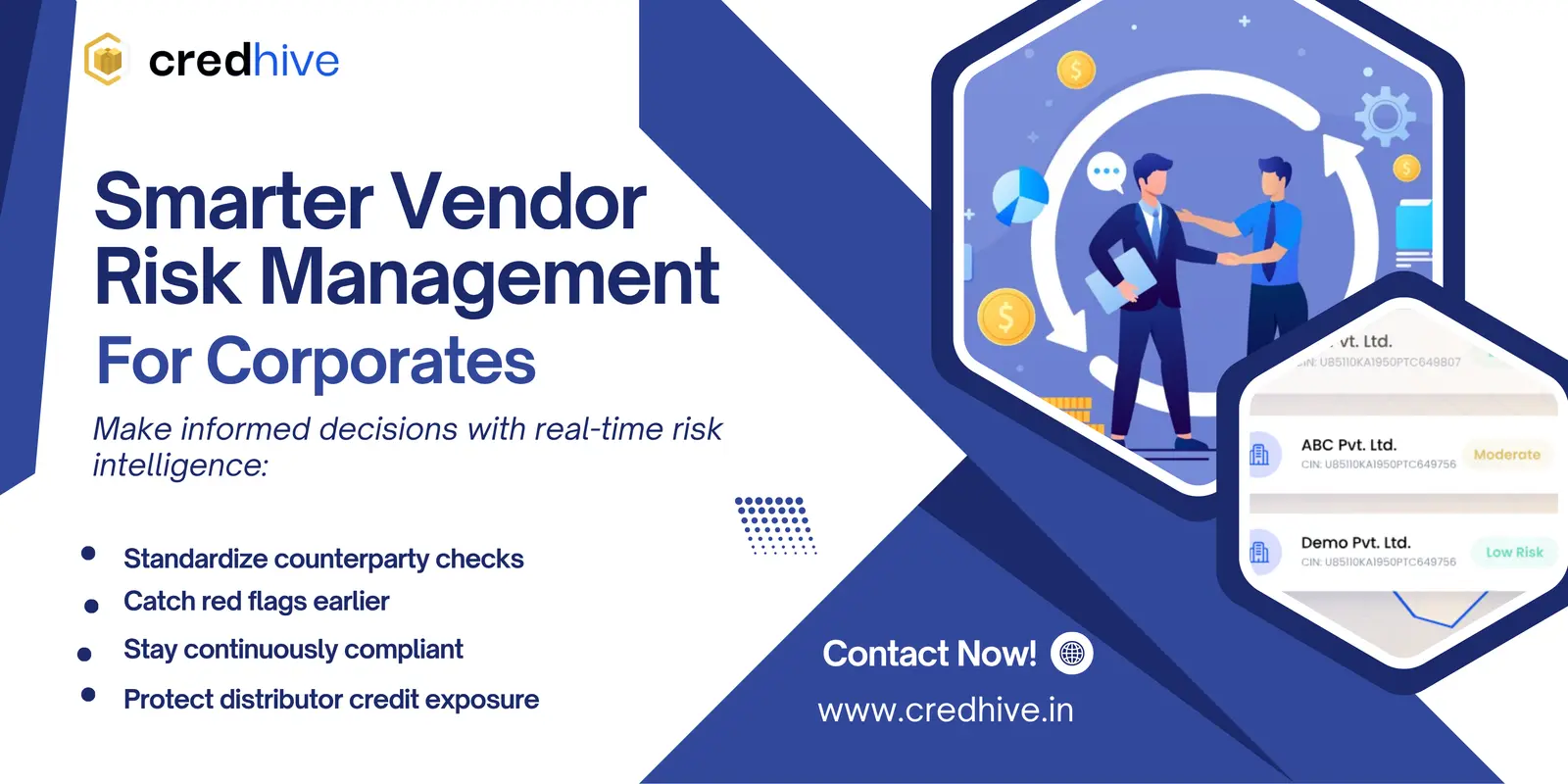
In today’s complex regulatory landscape, businesses increasingly rely on third-party vendors to support operations, supply chains, and service delivery. While these partnerships bring efficiency and scalability, they also introduce compliance risks. This makes compliance monitoring vendors a critical function for organizations aiming to stay compliant and avoid legal or financial penalties.
Effective compliance monitoring ensures that vendors adhere to regulatory standards, contractual obligations, and ethical practices. It also helps businesses maintain transparency and build trust with stakeholders.
Compliance monitoring vendors refers to the ongoing process of tracking and evaluating whether third-party vendors meet legal, regulatory, and contractual requirements. It involves regular assessments, audits, and reporting to ensure vendors operate within defined standards.
Unlike one-time onboarding checks, compliance monitoring is continuous, enabling organizations to identify and address risks as they arise.
Businesses must comply with various laws and regulations, including tax, data protection, and industry-specific standards. Monitoring vendors ensures adherence to these requirements.
Continuous monitoring helps identify risks such as non-compliance, fraud, or operational failures, allowing businesses to take corrective actions.
Working with non-compliant vendors can damage a company’s reputation. Monitoring ensures that vendors maintain ethical and legal standards.
Ensuring vendor compliance reduces the risk of disruptions in business operations and supply chains.
Verify that vendors comply with applicable laws, including tax regulations, licensing requirements, and industry standards.
Monitor financial stability and payment practices to ensure vendors can meet their obligations.
Assess vendors’ cybersecurity measures and data protection practices to prevent breaches and ensure compliance with data privacy laws.
Ensure vendors adhere to agreed terms, service-level agreements (SLAs), and performance benchmarks.
Evaluate vendors’ adherence to ethical practices, environmental standards, and corporate governance policies.
Classify vendors based on risk levels and their impact on business operations. High-risk vendors require more frequent monitoring.
Gather relevant data from financial reports, compliance filings, audits, and external sources.
Regularly evaluate vendor performance and compliance status using predefined metrics and criteria.
Set up automated alerts for non-compliance events and generate reports for stakeholders.
Address identified issues through corrective measures, such as renegotiating contracts or discontinuing partnerships.
Organizations gain a clear view of vendor risks and compliance status.
Data-driven insights enable better decisions regarding vendor selection and management.
Transparent monitoring processes build trust and encourage vendors to maintain high standards.
Ensures adherence to regulations, minimizing penalties and legal issues.
Information about vendors is often spread across multiple systems, making it difficult to obtain a unified view.
Different regions and industries have varying compliance requirements, increasing complexity.
Continuous monitoring requires time, expertise, and advanced tools, which may be limited for some organizations.
Modern tools and platforms have transformed compliance monitoring vendors by enabling real-time data integration, automated alerts, and advanced analytics. Technologies such as artificial intelligence and cloud-based systems help organizations track compliance more efficiently and accurately.
These solutions provide a centralized view of vendor performance, making it easier to manage risks and ensure regulatory adherence.
Compliance monitoring vendors is a critical practice for managing third-party risks in today’s regulatory environment. By continuously tracking vendor compliance, businesses can reduce risks, ensure operational continuity, and maintain strong relationships with partners.
Adopting a structured and technology-driven approach to compliance monitoring not only enhances efficiency but also provides a competitive advantage in an increasingly complex business landscape.





Share this page with your family and friends.