
Notifications
5 minutes, 30 seconds
-46 Views 0 Comments 0 Likes 0 Reviews
Constipation is a common digestive issue affecting millions worldwide, often caused by a low-fiber diet, dehydration, or sedentary lifestyle. One of the most effective ways to prevent and relieve constipation is through consuming fiber-rich foods. A high-fiber foods chart for constipation provides an easy reference to include the right foods in your daily diet, promoting regular bowel movements and supporting overall gut health.
Fiber is a type of carbohydrate that the body cannot fully digest. Instead of being absorbed, it passes through the digestive system, helping to regulate bowel movements. Fiber is categorized into two main types:
Soluble Fiber: Dissolves in water to form a gel-like substance, helping soften stools and improve digestion. Found in oats, beans, apples, and citrus fruits.
Insoluble Fiber: Adds bulk to stools and accelerates food passage through the intestines. Found in whole grains, nuts, seeds, and many vegetables.
A combination of both soluble and insoluble fibers is essential to maintain healthy digestion and prevent constipation effectively.
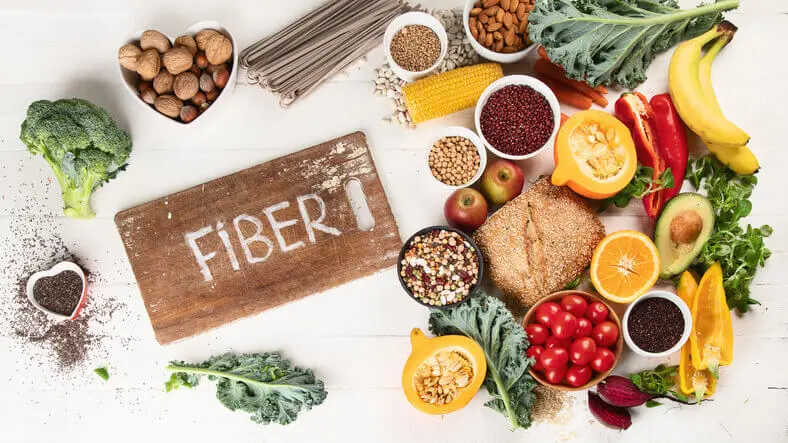
Incorporating a variety of fiber-rich foods ensures optimal digestive support. Here’s a practical chart to help you include fiber daily:
| Food Category | High-Fiber Options | Fiber Content (per serving) |
|---|---|---|
| Fruits | Apples, pears, raspberries, blackberries | 4–8 g per medium fruit |
| Prunes, figs, oranges | 3–6 g per serving | |
| Vegetables | Broccoli, Brussels sprouts, spinach | 3–5 g per 1 cup |
| Carrots, sweet potatoes | 4–6 g per medium | |
| Legumes | Lentils, black beans, chickpeas | 7–16 g per ½ cup cooked |
| Kidney beans, navy beans | 6–13 g per ½ cup cooked | |
| Whole Grains | Oats, quinoa, brown rice | 3–5 g per ½ cup cooked |
| Barley, whole-wheat bread | 3–6 g per slice or serving | |
| Nuts & Seeds | Chia seeds, flaxseeds, almonds | 4–11 g per 1 oz |
| Sunflower seeds, walnuts | 2–4 g per 1 oz |
This chart helps you identify fiber-rich foods to include in meals and snacks, ensuring you meet the recommended daily intake of 25–30 grams of fiber for adults.
Increasing fiber intake too quickly can lead to bloating, gas, or abdominal discomfort. Here are tips for a smooth transition:
Gradual Increase: Add fiber-rich foods slowly over 1–2 weeks.
Stay Hydrated: Drink at least 8 glasses of water daily to aid fiber movement through the intestines.
Mix Fiber Types: Combine soluble and insoluble fibers for balanced digestion.
Snack Smart: Incorporate fruits, nuts, and seeds as convenient fiber sources.
Following these steps ensures that your digestive system adapts comfortably to higher fiber levels.
Diet alone is effective, but pairing it with healthy habits enhances results:
Regular Exercise: Walking, yoga, and light cardio stimulate bowel movements.
Consistent Meal Times: Eating at similar times daily helps regulate digestion.
Limit Processed Foods: Refined grains and sugary snacks reduce fiber intake and may worsen constipation.
Probiotics: Yogurt, kefir, and fermented foods support gut flora, improving bowel regularity.
A holistic approach that combines fiber intake with lifestyle changes maximizes constipation relief and overall digestive wellness.
Including a variety of fiber-rich food tubes in your diet offers multiple health benefits beyond relieving constipation:
Supports Weight Management: High-fiber foods promote satiety, reducing overeating.
Regulates Blood Sugar: Soluble fiber slows glucose absorption, aiding blood sugar control.
Lowers Cholesterol: Soluble fiber binds to cholesterol in the gut, reducing its levels.
Improves Gut Health: Promotes healthy microbiota and reduces risk of digestive disorders.
These benefits make fiber an essential component of a balanced diet for long-term health.
A high-fiber foods chart for constipation serves as a practical guide for improving digestive health. By including a variety of fruits, vegetables, legumes, whole grains, nuts, and seeds, you can support regular bowel movements and overall gut wellness.
Combining dietary fiber with hydration, exercise, and mindful eating habits ensures maximum relief from constipation while promoting long-term digestive health. Start integrating these fiber-rich foods into your meals today and experience the natural benefits of a well-balanced, constipation-friendly diet.





Share this page with your family and friends.